Introduction
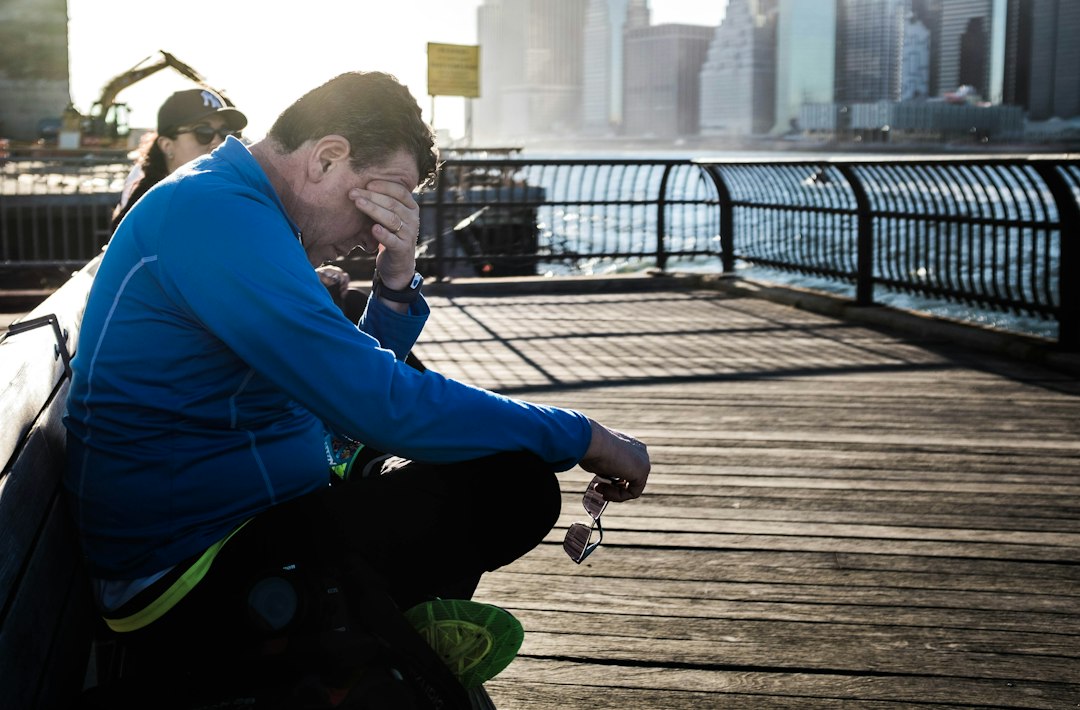
If you're a man over 40 and you've noticed that climbing stairs leaves you winded or a 20-minute workout feels utterly exhausting, you're not alone. Low stamina during exercise in men over 40 is one of the most common complaints heard in fitness centers and doctor's offices alike. What once felt effortless—maintaining a steady jog, playing recreational sports, or even completing a full gym session—can suddenly feel like climbing a mountain.
This shift isn't simply about getting older or being out of shape. Your body undergoes significant physiological changes as you enter your 40s and beyond, many of which directly impact your cardiovascular fitness, muscle function, and energy production. The good news is that low stamina during exercise in men over 40 is highly addressable. Understanding what's happening beneath the surface—and taking targeted action—can help you reclaim the energy and endurance you had years ago. This article explores the root causes, warning signs, and practical solutions that work for men in this age group.
Understanding the Causes Behind Declining Stamina
The decline in stamina that many men experience in their 40s stems from multiple interconnected factors. First, there's the natural decrease in testosterone production. Starting around age 30, testosterone levels drop roughly 1% per year in men, and this accelerates after 40. Testosterone plays a critical role not just in muscle strength, but in oxygen utilization and red blood cell production—both essential for exercise capacity.
Mitochondrial function also declines with age. Mitochondria are the "powerhouses" of your cells, responsible for generating the energy (ATP) that fuels muscular activity. A 2019 study published in Cell Metabolism found that mitochondrial efficiency decreases significantly in sedentary adults over 40, directly correlating with reduced aerobic capacity. However, this decline can be slowed or partially reversed through consistent exercise.
Cardiovascular efficiency naturally diminishes over time. Your maximum heart rate decreases, and your heart's ability to pump oxygenated blood to working muscles becomes less efficient. Additionally, many men over 40 experience increased arterial stiffness and reduced elasticity in blood vessels, limiting blood flow during exercise.
Body composition changes compound these issues. Most men lose 3-8% of muscle mass per decade after age 30, a process called sarcopenia. Since muscle is metabolically active tissue, this loss reduces your overall capacity for work and energy expenditure. Meanwhile, fat mass often increases, further reducing the efficiency of oxygen delivery during exercise. Finally, insulin sensitivity often declines with age, affecting how efficiently your body converts glucose into usable energy during physical activity.
Recognizing the Signs and Symptoms
It's important to distinguish between normal tiredness and genuine low stamina during exercise in men over 40. True stamina loss manifests in specific ways. You might notice that your heart rate spikes earlier during familiar activities—what previously felt like moderate intensity now feels hard. Your breathing becomes labored sooner, and recovery time lengthens significantly. Where you once needed 30 seconds between sets, you now need two minutes.
Another telltale sign is disproportionate fatigue. If a 30-minute walk leaves you exhausted for hours afterward, or if you experience that "hit a wall" sensation during exercise, your aerobic base may have declined. Some men describe it as their legs feeling heavy or their muscles refusing to respond with their usual power. Mental fog during or after exercise can also indicate inadequate oxygen delivery to the brain.
Reduced exercise tolerance is the clearest indicator. You might complete the same workout you did five years ago, but at a noticeably slower pace or with more breaks. Your VO2 max—the maximum amount of oxygen your body can utilize during exercise—naturally declines by about 10% per decade in sedentary individuals, though active men experience much smaller declines.
Pay attention to how quickly you recover. Healthy stamina includes bouncing back quickly; if you're sore for days after moderate activity or feel fatigued the following day, your body isn't recovering efficiently. Sleep quality often deteriorates alongside stamina loss—inadequate sleep further impairs exercise capacity and creates a negative feedback loop. Some men also notice increased resting heart rate, which indicates reduced cardiovascular efficiency overall.
How Low Stamina Affects Daily Life Beyond the Gym
The impact of declining stamina extends far beyond formal exercise. Many men find that everyday activities become unexpectedly demanding. Chasing grandchildren, hiking with friends, or even standing through a full day at work can feel draining. This limitation often triggers a frustrating cascade: reduced activity leads to further deconditioning, which makes activity feel even harder, discouraging future attempts at exercise.
The psychological toll shouldn't be underestimated. Men who've always prided themselves on fitness and strength often experience a sense of loss when they can't perform at their previous level. This can lead to depression, reduced confidence, and social withdrawal—particularly if low stamina prevents participation in activities that define their social life or self-image.
Occupational impacts are real too. Jobs requiring sustained physical effort, travel, or long hours become more challenging. The stress of feeling unable to keep up can affect job satisfaction and performance. Additionally, low stamina often correlates with metabolic dysfunction, potentially increasing risk for weight gain, type 2 diabetes, and cardiovascular disease. Breaking this cycle requires addressing stamina loss proactively, as the benefits extend to overall health, longevity, and quality of life.
Natural Approaches and Lifestyle Strategies That Work
The most effective way to rebuild stamina is through consistent, strategic exercise. However, the approach matters. High-intensity interval training (HIIT) is particularly effective for men over 40, as it stimulates mitochondrial adaptation and improves cardiovascular efficiency more dramatically than steady-state cardio alone. Research from the Journal of Applied Physiology (2016) showed that older adults who performed HIIT increased their VO2 max by 25% in just four weeks.
Resistance training is equally important. Muscle loss directly contributes to stamina decline, so rebuilding muscle mass through strength training—even just two sessions weekly—significantly improves exercise capacity. Focus on compound movements like squats, deadlifts, and rows that engage large muscle groups.
Aerobic base building shouldn't be ignored either. Steady, moderate-intensity cardio (walking, swimming, cycling) at conversational pace for 30-45 minutes, 3-4 times weekly, builds aerobic capacity without the joint stress that intense exercise creates. The combination of strength, interval, and steady-state training produces the best results.
Recovery is non-negotiable. Quality sleep—7-9 hours nightly—is when your body adapts to training stimulus. Poor sleep actively reduces stamina by impairing testosterone production, increasing cortisol, and reducing glycogen storage. Additionally, stress management through meditation, deep breathing, or yoga improves both physical and mental resilience. Chronic stress elevates cortisol, which accelerates muscle loss and impairs recovery.
Nutritional Factors That Impact Exercise Stamina
Your diet directly fuels your ability to exercise. Adequate protein intake (0.8-1g per pound of body weight) is essential for maintaining muscle mass, which supports stamina. Carbohydrates are your muscles' preferred fuel source during moderate to high-intensity exercise; avoiding low-carb diets if you're trying to rebuild stamina makes sense. Focus on complex carbs like oats, brown rice, and sweet potatoes rather than refined options.
B vitamins deserve special attention. B6, B12, and folate are critical for energy metabolism and red blood cell production. A 2020 study in Nutrients found that B-vitamin deficiency was more common in sedentary adults over 40, directly correlating with fatigue and reduced exercise capacity. Iron is equally important for oxygen transport; low iron stores reduce stamina dramatically. Consider getting your iron levels checked, particularly if you're vegetarian or experiencing unexplained fatigue.
Magnesium supports muscle function and energy production; deficiency causes muscle weakness and fatigue. CoQ10, a compound your body produces naturally but which declines with age, is crucial for mitochondrial energy production. Omega-3 fatty acids improve blood flow and reduce inflammation, supporting cardiovascular efficiency. This is why many adults turn to targeted formulas—one such option is AlphaSurge, which combines these key nutrients in one supplement specifically designed for men experiencing stamina issues.
Hydration is overlooked but critical. Even mild dehydration reduces exercise capacity by 10-15%. Aim for half your body weight in ounces of water daily, more on exercise days. Finally, don't underestimate the impact of timing. Eating a balanced meal 2-3 hours before exercise, with a small carb-protein snack 30 minutes before, optimizes performance and stamina.
Frequently Asked Questions
How long does it take to rebuild stamina after 40?
Results depend on your starting point and consistency, but most men notice measurable improvements within 2-3 weeks of regular training. Significant stamina gains typically emerge within 6-8 weeks. Cardiovascular adaptations continue improving for up to 12 weeks with consistent effort. Age itself doesn't prevent improvement—study after study shows that men in their 40s, 50s, and beyond can rebuild impressive stamina levels through dedicated training.
Is low stamina a sign of low testosterone?
Low stamina can be associated with testosterone decline, but it's rarely the only cause. Testosterone affects muscle mass, oxygen utilization, and motivation, all of which impact stamina. However, poor cardiovascular fitness, mitochondrial dysfunction, inadequate sleep, and poor nutrition cause stamina loss independently. If you suspect low testosterone, ask your doctor for testing (normal range is 300-1000 ng/dL). Treatment addresses one piece of the puzzle but won't restore stamina without concurrent lifestyle changes.
Does caffeine help with exercise stamina?
Caffeine can provide short-term benefits by enhancing focus and reducing perceived exertion, typically improving performance by 3-5%. However, it's not a substitute for addressing root causes. Excessive caffeine consumption can increase anxiety, disrupt sleep (which impairs recovery), and cause dependence. Use caffeine strategically—30-45 minutes before exercise—but prioritize the fundamental factors: training consistency, nutrition, sleep, and stress management.
Moving Forward With Your Stamina
Experiencing low stamina during exercise in men over 40 can feel discouraging, but it's rarely permanent. The combination of targeted exercise, proper nutrition, quality sleep, and stress management addresses the core physiological changes driving stamina loss. If you're looking to explore supplements that support the nutritional factors covered in this article, see what AlphaSurge offers—it may complement your broader stamina-building strategy. Start with one change this week: add an extra walk, improve your sleep by 30 minutes, or increase your protein intake. Small, consistent actions compound into real results.